How Many Hours of Elopement Photography Do You Need?
How Many Hours of Photography Do You Really Need?
This is one of the most common questions I hear from couples planning an elopement or small wedding. I understand why. If you’re skipping the huge guest list, ballroom reception, wedding party, and all of the traditional formalities, it seems logical that you wouldn’t need nearly as much photography coverage.
But here’s where I want you to rethink things a little:
A smaller wedding doesn’t have to mean a shorter wedding day.
Your elopement isn’t a condensed version of a traditional wedding. It’s your actual wedding day. You get to decide what you want to do with it, how you want it to feel, who you want there, and what you want to remember.
Traditional weddings take all day for a reason. You still get ready, have a first look, exchange vows and rings, take portraits, eat dinner, celebrate with your people, and maybe keep the night going with an after-party. All of those pieces together make up the story.
An elopement is still your wedding day. It’s still your story, and it deserves to be savored and told in full, not reduced to one small window around the ceremony. That’s why you won’t see a two or three-hour elopement photography option from me. I want enough time to document the whole experience, not just the moment you say “I do.”
There aren’t many rules here. That’s kind of the point.
Figure out what you want your wedding day to feel like and what you want to experience. Then figure out how much photography coverage gives you enough time to actually enjoy it.
Start With Your Best Day
Before deciding whether you need four, six, eight, or twelve hours, forget about photography for a minute. Think about some of the best days you’ve spent together. What were you doing? Where were you? More importantly, how did those days feel?
Now imagine your wedding day.
Would you love to wake up slowly at a cabin and make breakfast together?
Do you want to get ready separately and have a first look, or get ready together?
Will family and friends be there for the whole day, only the ceremony, or maybe dinner afterward?
Would you like to exchange private vows somewhere away from everyone else?
Do you want to hike through the woods, spend time on the water, explore a favorite town, have a picnic, or stop at a brewery?
Maybe you want to go fishing, paddle a kayak, do yoga together, listen to your favorite records at your cabin, soak in a hot tub, or spend an hour doing absolutely nothing beside the lake.
Maybe something less conventionally “wedding” feels much more like you: getting tattoos, riding motorcycles, going to see live music, catching your favorite local band at a bar or ending the night around a campfire.
Those aren’t things we add because we need more stuff to photograph.
Those things are who you are, your story, and your wedding day.
And if you wouldn’t normally choose an activity just because it looks good on Instagram, don’t choose it for your elopement either.
The goal isn’t to build the most impressive elopement. It’s to build one that feels like yours.
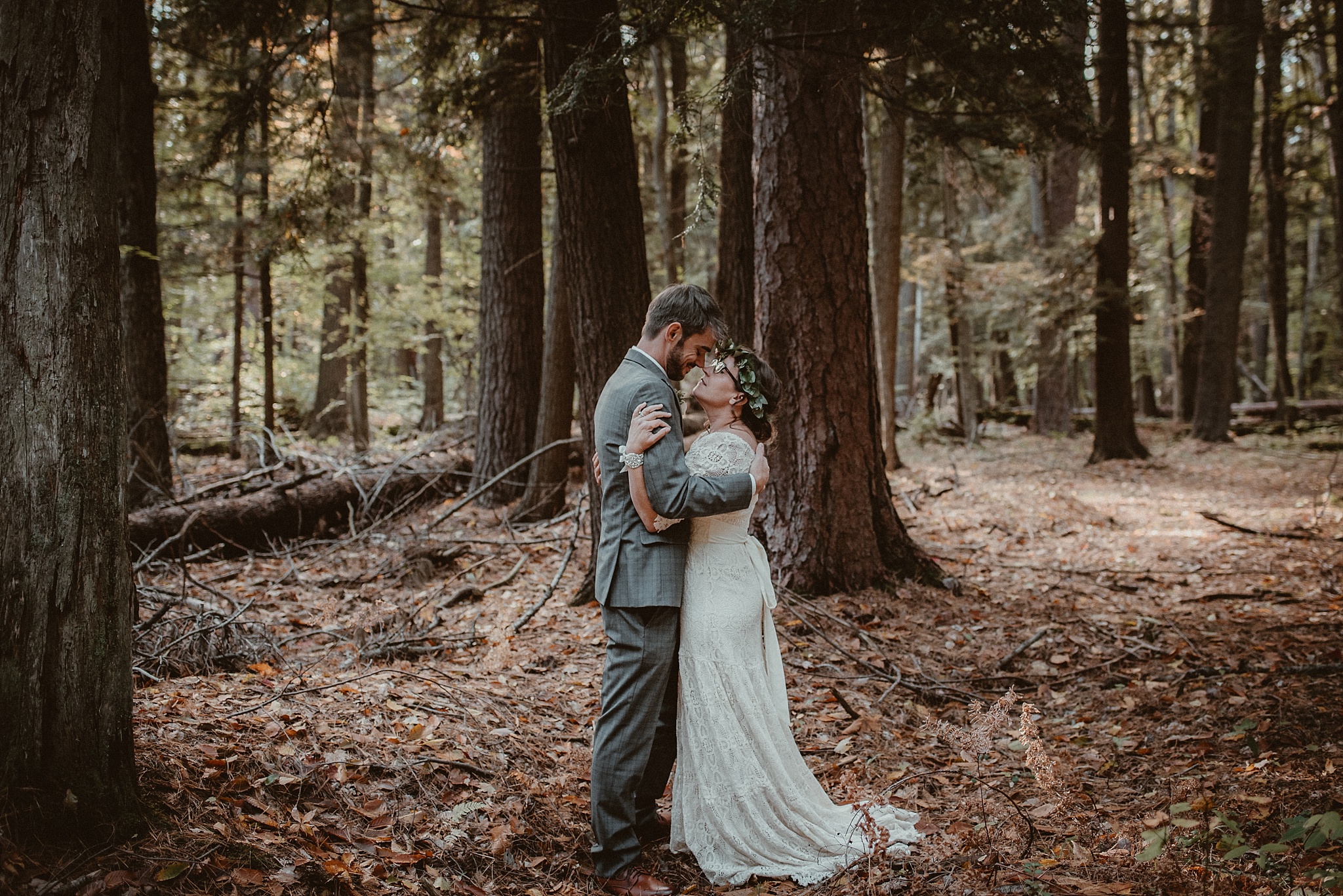
More Photography Coverage Does NOT Mean More Time Posing for Pictures
This is probably one of the biggest misconceptions about longer elopement coverage. If you book eight or twelve hours with me, you are not signing up for an eight or twelve-hour photoshoot.
Yes, we’ll intentionally make portraits throughout the day, but I’m also documenting what happens while you’re living it.
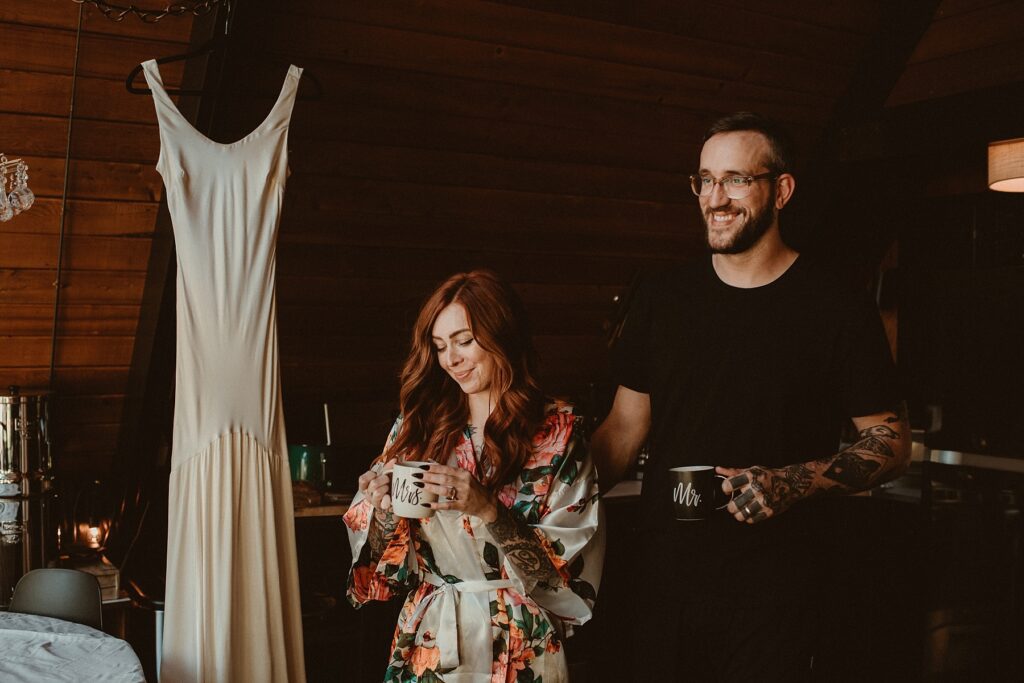
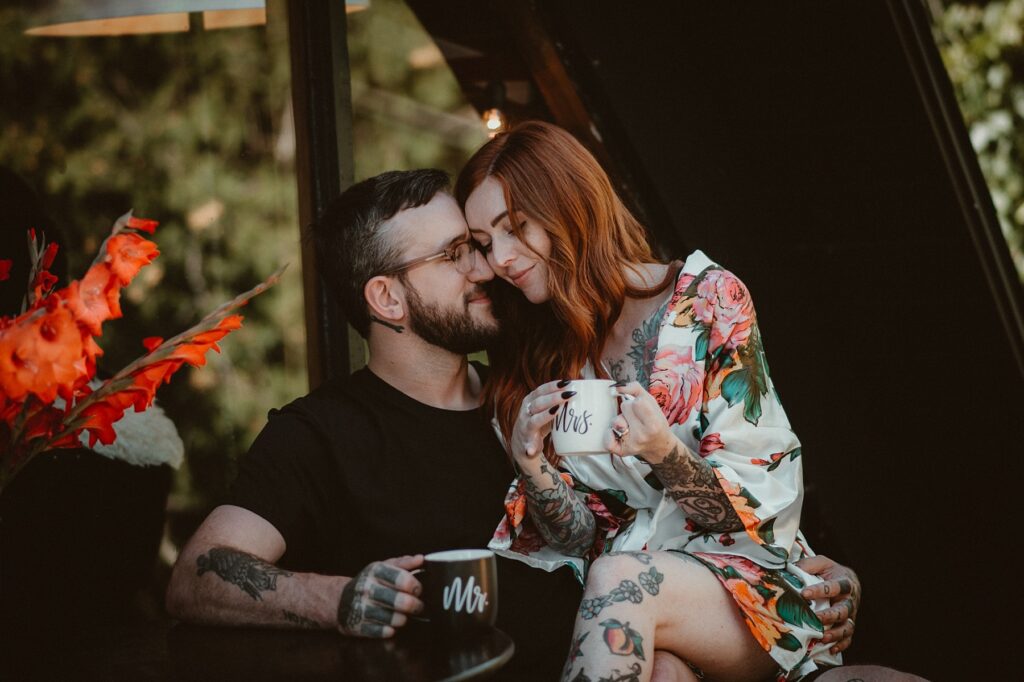
You might be drinking coffee at the cabin while I photograph quietly from across the room. You might be hiking, eating dinner, talking with your parents or friends, listening to music, dancing, driving somewhere beautiful, sitting beside a fire, or laughing because something completely unexpected just happened.
There are times I’ll guide you, and times I’ll barely say anything. In fact, one of the benefits of having more time together is that you have a chance to forget about the camera. There isn’t the pressure of trying to manufacture a whole wedding story in two hours. You actually get to live one.
Why I Don’t Offer Two-Hour Elopement Coverage
A ceremony might only last ten or fifteen minutes, which makes two hours sound reasonable on paper. But the ceremony isn’t the only thing happening.
Everyone has to arrive. You may have to walk to the ceremony site. Somebody needs the restroom. Grandma is moving a little slower. Someone forgot something in the car. The ceremony happens. Everyone hugs you afterward. We take family photographs. You want photos of just the two of you. Then maybe we walk or drive somewhere else.
Suddenly those two hours are gone.
The problem isn’t that we can’t technically accomplish things quickly. It’s what your wedding starts to feel like when every minute has a job.
I don’t want to finish your ceremony and immediately say, “Okay, everybody over here. We have twenty minutes for family photos, and then we have to leave.”
I want you to look at each other, realize you just got married, and hug your people. I want room for whatever happens next. That’s why I don’t want you choosing your photography coverage based on how long your ceremony lasts. I want you choosing it based on how much of your wedding day you want to experience and remember.
What Does 4 Hours of Elopement Photography Look Like?
Four hours can work when your plans are simple, everything is happening in one area with five guests, and you aren’t trying to document the entire wedding-day story.
Example 4-Hour Timeline
4:00 PM – First look and private vows
4:30 PM – Explore around the ceremony location and take portraits
5:15 PM – Guests arrive and final ceremony preparations
5:30 PM – Ceremony
6:00 PM – Congratulations and family photos
6:45 PM – Champagne, cake, picnic or another small celebration
7:15 PM – Couple portraits and time together
8:00 PM – Photography coverage ends
What You Are Giving Up With 4 Hours?
Four hours probably isn’t going to comfortably include substantial getting-ready coverage, multiple portrait locations, a long hike, lots of driving, a relaxed dinner, activities, and sunset unless the timing happens to line up perfectly.
There isn’t much room for plans to change either. If someone runs late or we need to wait out a rain shower, there isn’t a lot of padding to absorb it.
That’s why I tell couples: Don’t plan an eight-hour experience and try to squeeze it into four hours.
If your priorities really are your ceremony, time together, and maybe one small celebration, four hours may be exactly what you need.
What Does 6 Hours of Elopement Photography Look Like?
Six hours gives us noticeably more breathing room.
You can begin telling more of the story instead of jumping in immediately before the ceremony, and you have enough time to incorporate another meaningful part of your day.
Example 6-Hour Timeline
2:30 PM – Finishing touches and details of getting ready
3:15 PM – First look and private vows
4:00 PM – Travel to ceremony location
4:30 PM – Ceremony
5:00 PM – Congratulations and family photos
5:45 PM – Explore together and take portraits
6:45 PM – Picnic, dinner, drinks, cake, or another activity
7:45 PM – Sunset portraits
8:30 PM – Photography coverage ends
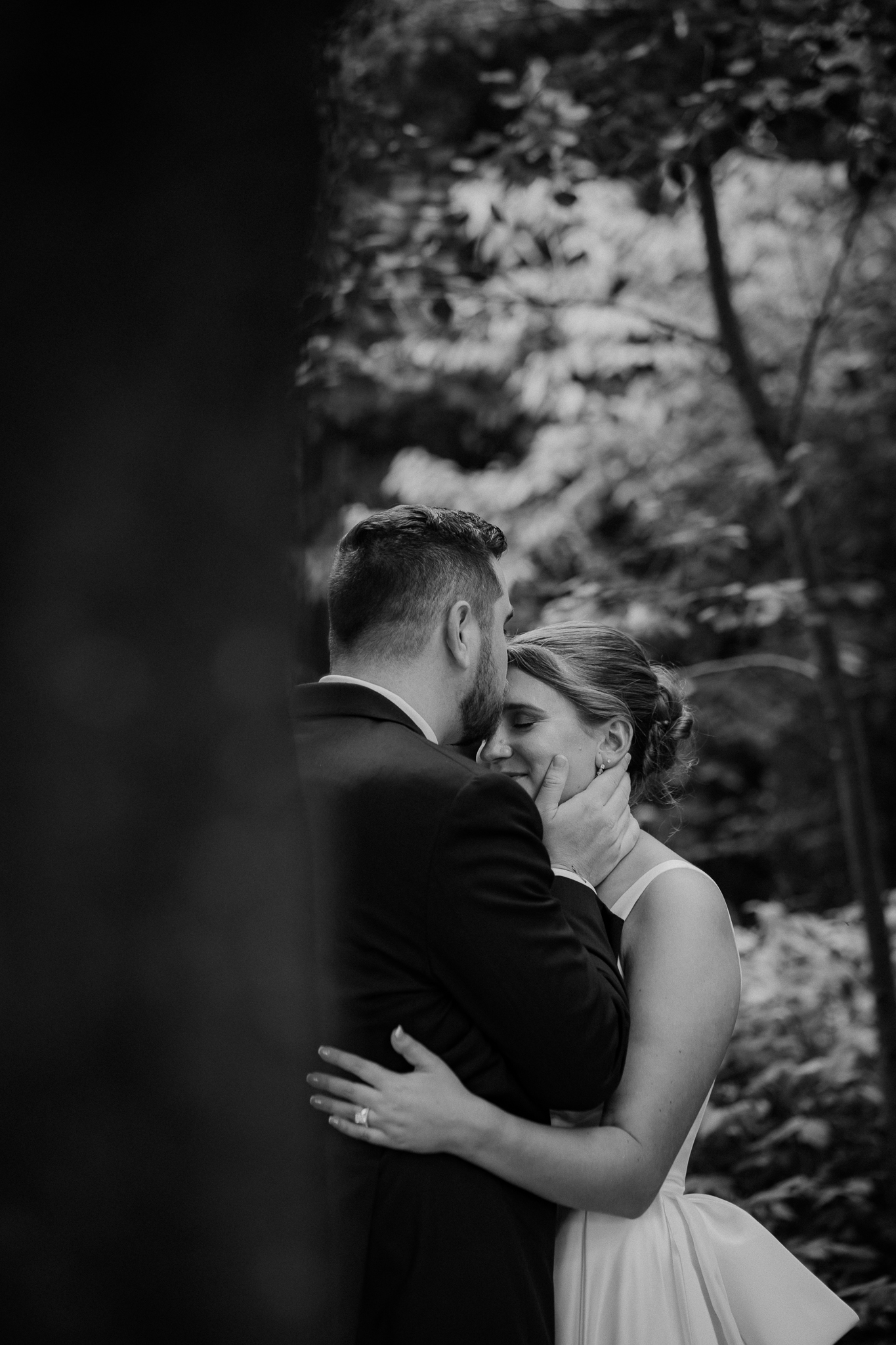
What Are You Giving Up With 6 Hours?
Six hours opens up a lot of possibilities, but it still isn’t unlimited.
If you want the full getting-ready experience, multiple locations, a hike, significant travel, a leisurely dinner, nighttime activity, and sunset portraits, something is probably going to have to go, or we’re going to be watching the clock too closely for my liking.
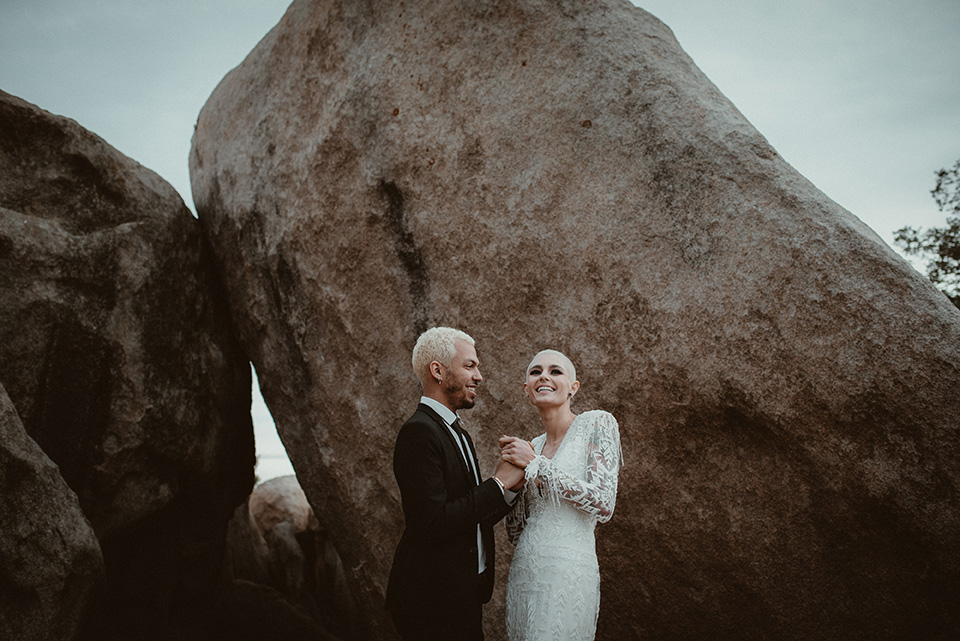
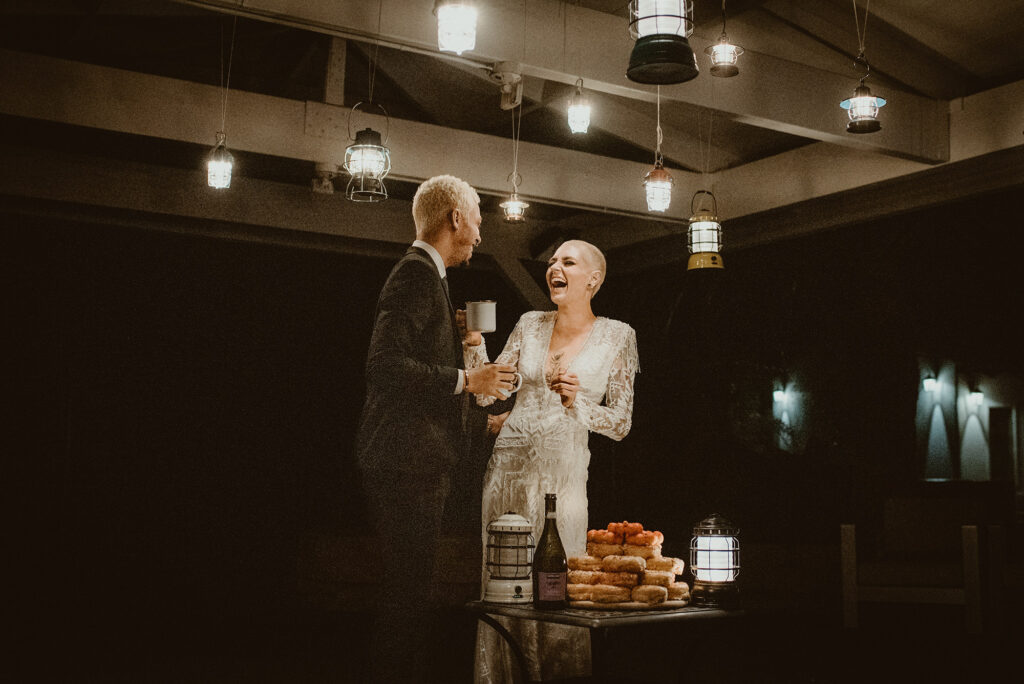
What Does 8 Hours of Elopement Photography Look Like?
Eight hours is where an elopement day really begins to breathe.
There is room to tell the story from getting ready through your celebration without making every transition feel urgent.
It also gives you time to do things that have nothing to do with “wedding photography.”
That’s important.
Example 8-Hour Timeline
12:30 PM – Getting ready at your cabin, details and candid moments
2:00 PM – First look and private vows
2:45 PM – Explore, take a short hike or do an activity together
4:00 PM – Break, snack, and travel to ceremony location
4:45 PM – Ceremony
5:15 PM – Congratulations and family photos
6:00 PM – Dinner, picnic, cake or celebration with your guests
7:15 PM – Head somewhere beautiful together
7:45 PM – Explore, relax and take sunset portraits
8:30 PM – Photography coverage ends
Eight hours also gives us something I value tremendously: options.
Maybe it rains for twenty minutes, or dinner takes longer because everyone is sitting around reminiscing and telling stories. Or we come across a beautiful little spot that wasn’t part of the original plan, and you want to stop, or you just don’t want to leave yet.
When the timeline has breathing room, those things don’t become problems. They become part of the day.
What Does 12 Hours of Elopement Photography Look Like?
Twelve hours gives us the freedom to document your wedding as an entire experience instead of primarily documenting the events surrounding the ceremony.
This doesn’t mean you need twelve hours of elaborate activities. A full day can actually be incredibly simple.
Example 12-Hour Timeline
10:00 AM – Slow morning at the cabin, coffee and breakfast together
11:00 AM – Details and getting ready
12:30 PM – First look and private vows
1:15 PM – Explore, hike, paddle, go fishing, take a scenic drive, or do something you love together
3:00 PM – Lunch, downtime, and travel
4:00 PM – Arrive at ceremony location and relax before everyone arrives
4:30 PM – Ceremony
5:00 PM – Family photographs and time with your guests
6:00 PM – Dinner and celebration
7:30 PM – Head out together for the evening
8:00 PM – Sunset portraits
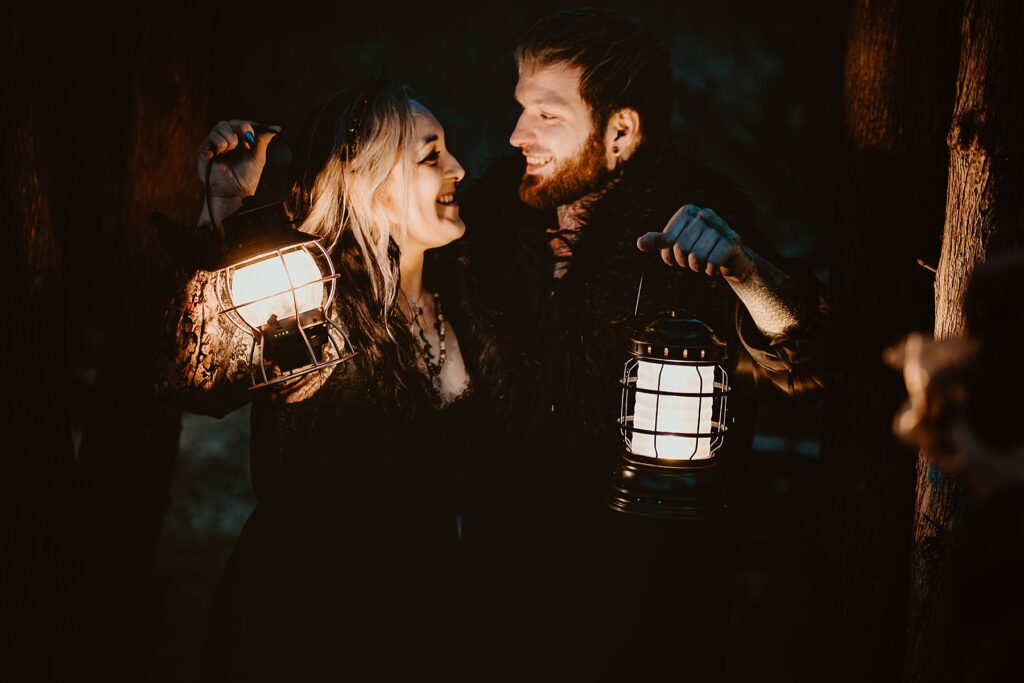
9:00 PM – Bonfire, drinks, dessert, stargazing, your favorite bar or another nighttime experience
10:00 PM – Photography coverage ends
Now the story isn’t simply: They got married.
It’s also how the morning felt. The anticipation of getting ready. What you did together before saying your vows. How your dad looked at you afterward. The ridiculous thing somebody said at dinner that made everyone lose it. The quiet drive you took together. The music playing when the sun went down.
The way the entire day actually felt. That’s the difference.
What Can You Actually Do During an Elopement?
Sometimes couples hear “all-day elopement” and assume they need to invent an entire day’s worth of epic adventures. You don’t.
Your activities don’t have to be adventurous, complicated, or particularly photogenic. They should just feel like you.
Activity ideas:
- make breakfast together
- exchange letters or gifts
- hike one of your favorite trails
- canoe, kayak or paddleboard
- go fishing
- swim in the lake
- walk the beach
- have a picnic
- stop at a brewery, winery, or favorite restaurant
- grab coffee or ice cream
- listen to your favorite records
- play guitar together
- have your first dance somewhere completely private
- ride motorcycles
- do yoga together
- hang out in a hammock
- soak in the hot tub at your cabin
- get wedding-day tattoos
- explore a town you’ve always loved
- take your dog for a walk
- cook dinner over a fire
- light a bonfire and make s’mores
- stargaze
- go dancing
- finish the night watching your favorite local band play at a bar
You could also just find a beautiful place and spend time there.
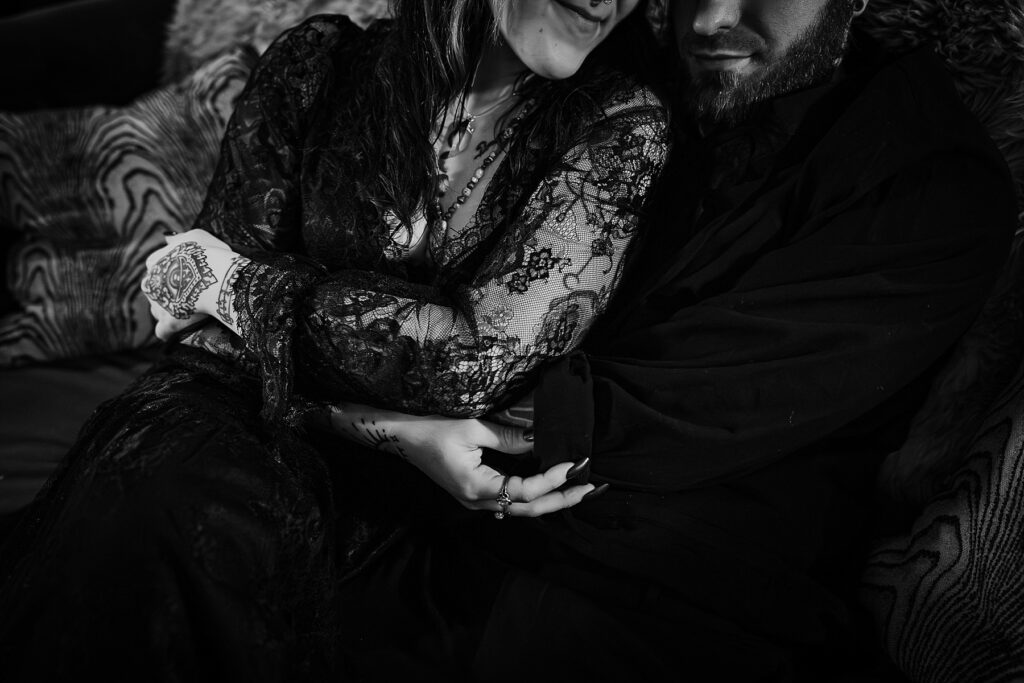
You do not have to earn an all-day elopement by being adventurous enough. That isn’t what this is about. Think about what you’d actually enjoy doing together if I weren’t there. Then do that and I’ll document it.
Things to Consider for Your Ceremony
Your ceremony doesn’t have to follow the traditional wedding script either.
It can be five minutes of vows and rings if that’s exactly what you want. Or you can slow it down and create something more personal, spiritual, symbolic or completely unconventional.
Think about what actually means something to the two of you.
Maybe you:
- write and read your own vows
- exchange rings or another meaningful token
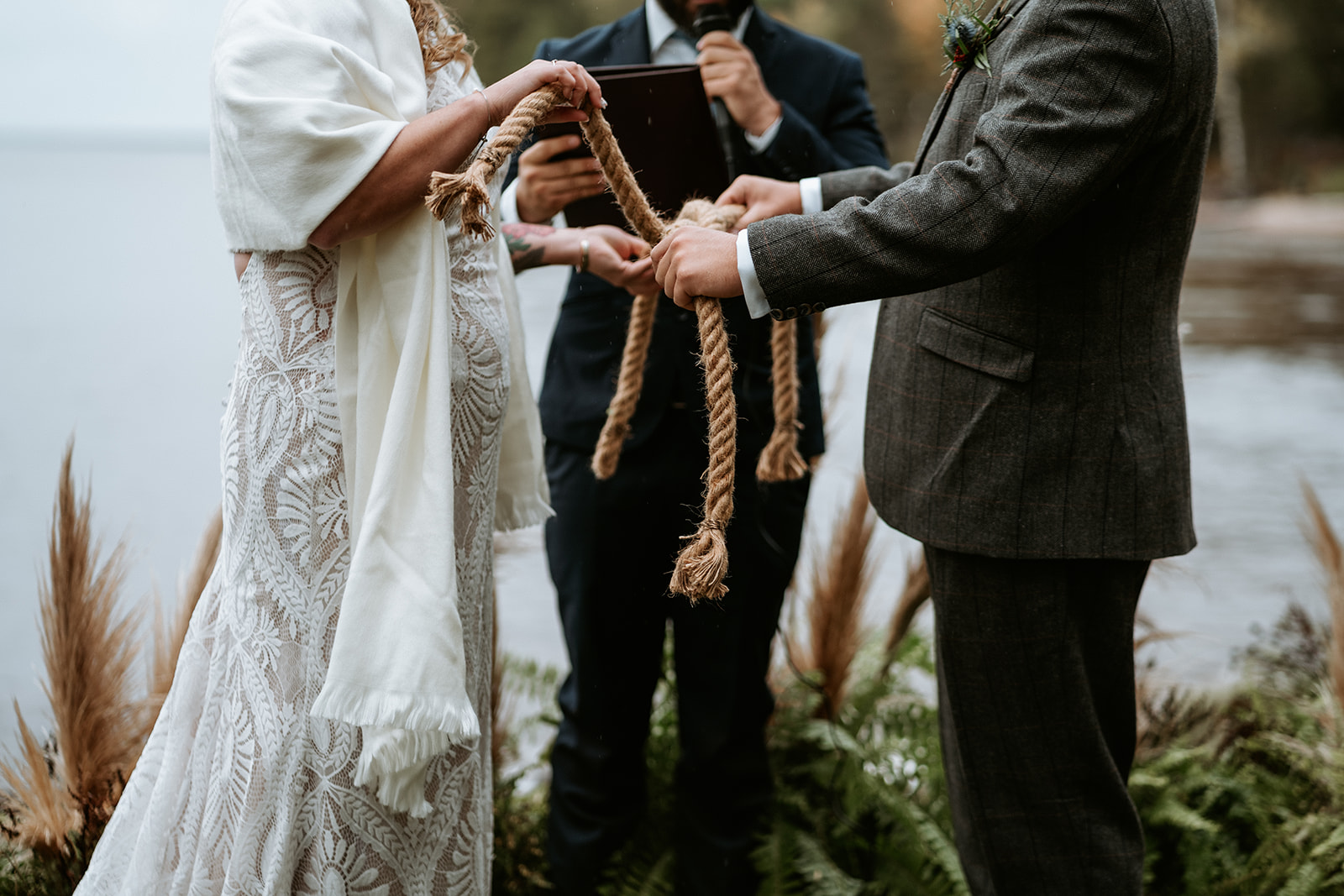
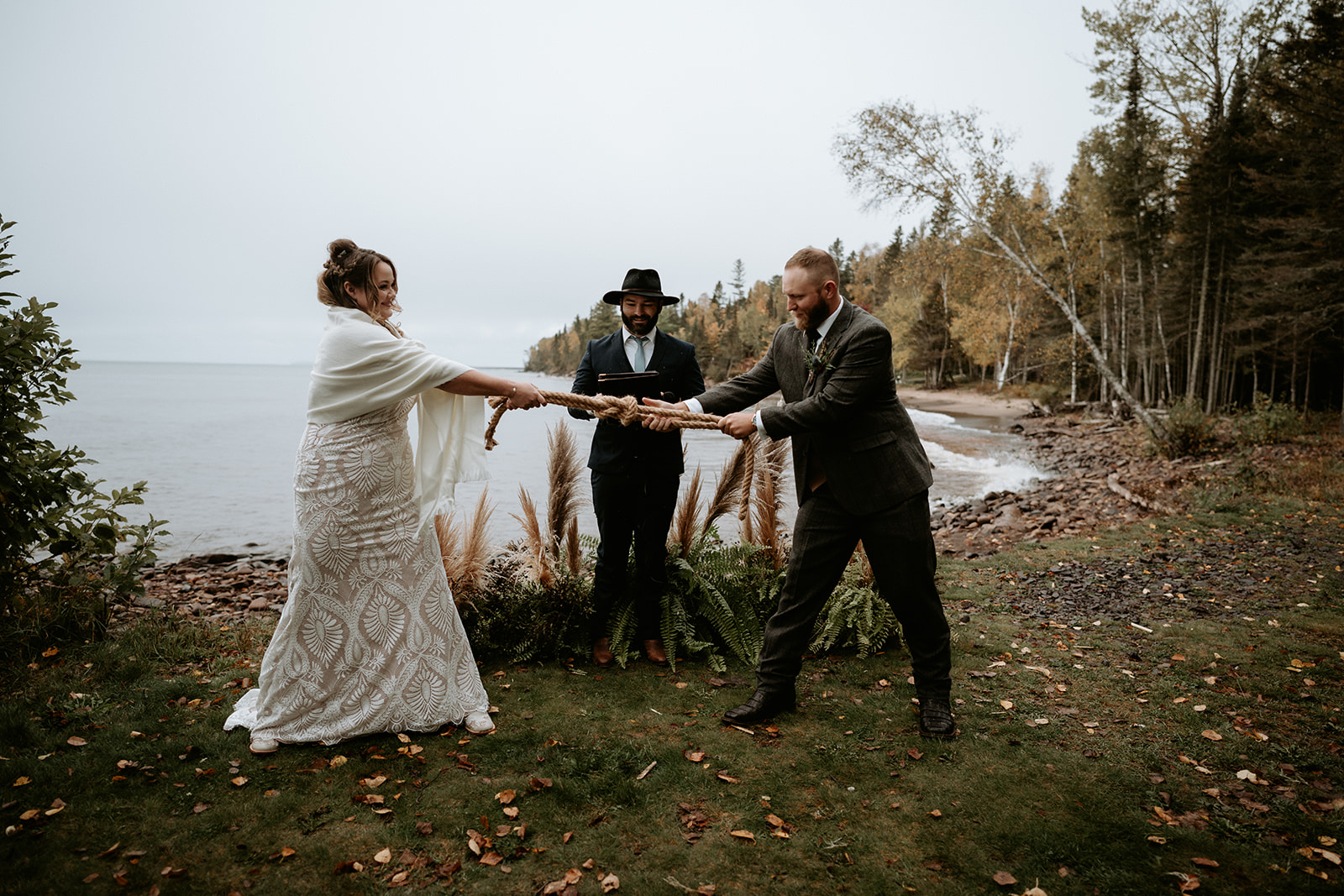
- include a handfasting ceremony, wrapping cords around your joined hands as a symbol of your commitment
- begin with a few minutes of meditation, grounding or intentional breathing so you can become fully present before exchanging vows
- incorporate a spiritual ritual or blessing that reflects your beliefs without necessarily following a traditional religious ceremony
- plant a tree together or combine soil from meaningful places as a symbol of the life you’re growing together
- tie a unity knot together that you can keep afterward
- read a favorite poem, passage, song lyric or letter
- ask someone you love to do a reading
- play your favorite song on a speaker
- invite a musician to play during your ceremony
- sing or play a song for each other if music is part of your relationship
- exchange letters or gifts
- include a moment of silence or a meaningful object in honor of someone who can’t be there
- ask your family or closest friends to participate in a ritual rather than simply watching from their seats
- have your first dance right there after your vows, whether that’s beneath the trees, beside the lake or barefoot in the sand
And you don’t have to choose just one.
Maybe you start your ceremony with a short meditation, read private vows, have your parents wrap cords around your hands during a handfasting, exchange rings and end by playing the song that has been yours since you first started dating.
That sounds a whole lot more personal than simply racing through the legal words because that’s what a wedding ceremony is “supposed” to look like.
If you’re planning an outdoor ceremony, just make sure whatever you choose works with the location. Open flames, planting, scattering materials, amplified music and other elements may not be permitted on public land. A potted tree that you plant at home later, an acoustic musician or another Leave No Trace-friendly alternative can give you the same meaning without damaging the place you came there to enjoy.
And remember: meaningful moments need time.
If you’re incorporating personal vows, readings, music, handfasting or another ritual, don’t build your timeline around the assumption that your ceremony will only take ten minutes. Give yourselves permission to linger.
You only get to experience this ceremony once. It doesn’t need to be long.
It just needs to feel like you.
You Don’t Have to Spend the Entire Day With Your Guests
One thing couples sometimes struggle with is wanting their closest people at their wedding while still craving a private elopement experience. You can have both.
Your family might join you for your ceremony and dinner while you spend the first part of the day alone together.
Or maybe everyone helps you get ready before you leave for a private first look and vow exchange. You could have a private ceremony first and then meet your family later for a separate celebration.
You can even spread the experience across two days: one day with the people you love and another day that’s completely yours.
There isn’t a rule saying everyone you invite has to participate in every part of the wedding. Sometimes separating those experiences actually allows you to be more present for both.
Don’t Let Anyone Tell You What Your Wedding Day Should Look Like
Your wedding day does not have to fit anyone else’s idea of what a wedding is supposed to be.
If you want to spend the entire day together getting ready, making breakfast, exploring somewhere beautiful, exchanging private vows, celebrating with your people, eating dinner, getting tattoos, listening to live music or sitting beside a fire, do that.
And if you want me there to tell your entire love story as naturally and beautifully in real time, then do that.
You don’t need to justify wanting more photography coverage by filling every hour with elaborate adventures. You don’t need to prove that your day is “epic” enough to deserve a full day of documentation.
Your quiet moments matter too.
These are your memories. This is your story.
Years from now, you may not remember every detail of the ceremony itself, but you may remember the way your partner looked at you that morning, what your friends said over dinner, the song playing in the background or how the light fell across the place where you exchanged vows.
Give those memories the attention and value they deserve.
There is no correct number of hours for your wedding day. There is only the amount of time that allows you to experience and remember the day you actually want to have.
Don’t let anyone tell you what to do with your wedding day.
You walked away from a traditional wedding because you wanted something different. Give yourselves permission to create something that feels like you and give it the time, attention and value it deserves.
Not Sure How Much Elopement Photography Coverage You Need?
That’s okay.
You don’t need to know exactly what every hour of your wedding day will look like before reaching out. Part of what I do as a Northern Michigan elopement photographer is help you take all of the ideas floating around in your head and turn them into an experience that actually works.
We’ll look at who you’re inviting, where you’re going, what you want to do, how much travel is involved, when the light will be best and, most importantly, how you want your wedding day to feel.
Then we’ll build a timeline with enough structure to keep everything flowing without scheduling the life out of it.
Choosing the right amount of photography coverage isn’t really about figuring out how many hours you need for photos.
It’s about giving yourselves enough time to have a wedding day worth remembering.
If you’re planning an elopement or intimate wedding in Northern Michigan and want a wedding day that feels relaxed, meaningful and completely your own, I’d love to hear what you’re dreaming up.